
Orthopedic Doctor in KukatpallyDr Ravi Hospital
At Dr Ravi Hospital, you can consult an orthopedic doctor in Kukatpally for fractures, knee pain, arthritis, back pain and sports injuries, with care from the first X-ray through to surgery and physiotherapy. If you are looking for an orthopedic doctor in Hyderabad close to KPHB, we can examine you, take X-ray, CT or MRI scans and run blood tests in the same visit, so treatment often starts that day. Our emergency department and ICU are open 24x7, so we treat fractures from falls and road accidents at any hour.
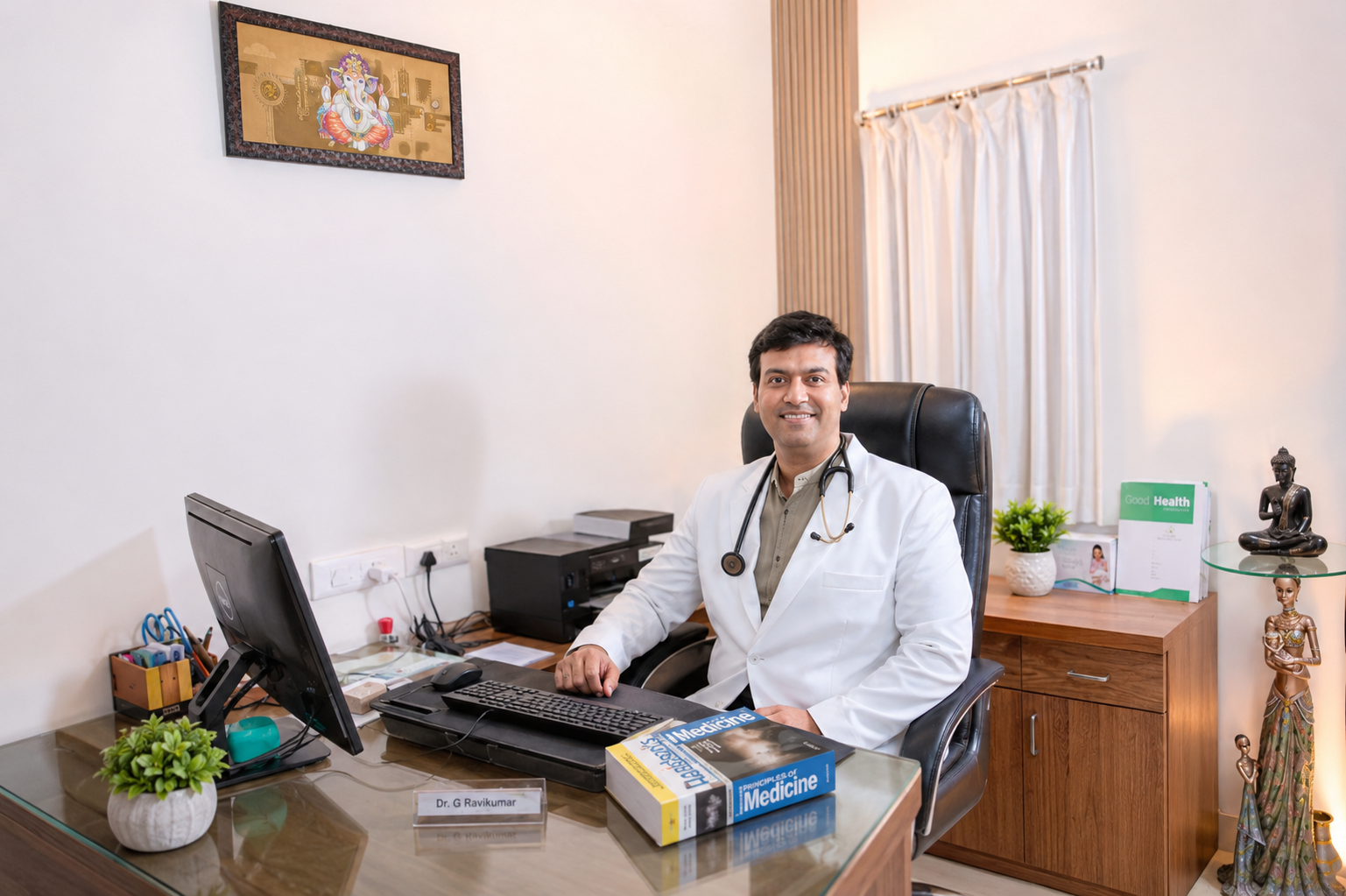
What Does an Orthopedic Doctor Do?
An orthopedic doctor specialises in the musculoskeletal system: the bones, joints, cartilage, ligaments, tendons, muscles and spine. The work covers both sudden injuries and long-term wear and tear, in children, adults and older people. Most orthopedic problems are managed without an operation, using medicines, casts, injections and exercise, and surgery is kept for cases where these are not enough.
Orthopedic Doctor, Physiotherapist or Rheumatologist?
Orthopedic Doctor
See an orthopedic doctor first for injuries, fractures, joint pain, back pain or swelling after a fall, because the cause needs to be diagnosed, often with an X-ray.
Physiotherapist
A physiotherapist then helps with exercises and recovery.
Rheumatologist
A rheumatologist treats arthritis caused by the immune system, such as rheumatoid arthritis, and we can refer you if your blood tests suggest it.
Which Conditions Does a Bone Doctor in Kukatpally Treat?
At our hospital, a bone doctor in Kukatpally sees patients for injuries, wear-and-tear problems and pain in any bone or joint. Common reasons for a visit include:
- Fractures and dislocations
- Knee pain and knee arthritis
- Hip pain and hip fractures
- Back pain, neck pain, slipped disc and sciatica
- Frozen shoulder and shoulder injuries
- Sports injuries such as ACL and meniscus tears, sprains and strains
- Tennis elbow, wrist pain and carpal tunnel syndrome
- Heel pain and ankle sprains
- Osteoporosis and weak bones
- Gout and rheumatoid arthritis
What Is the Treatment for Arthritis?
We treat arthritis in steps, starting with the simplest options and moving to surgery only when pain and stiffness still affect daily life. Arthritis treatment in Hyderabad at our hospital usually follows this order:
- 1Weight control, activity changes and exercises to strengthen the muscles around the joint
- 2Pain relief medicines and physiotherapy
- 3Joint injections to ease pain and swelling
- 4Knee caps, braces or walking aids
- 5Joint replacement surgery when the joint is badly worn
When Should You See a Doctor for Knee Pain?
See a doctor for knee pain that lasts more than two weeks, keeps coming back, or stops you from walking, climbing stairs or sleeping. If you are looking for a knee pain treatment clinic in KPHB, book a visit sooner if you notice:
- Swelling, redness or warmth around the knee
- The knee locking, catching or giving way
- Pain after a twist or fall
- Knee pain with fever
Which Orthopedic Treatments Are Done at Dr Ravi Hospital?
We offer non-surgical and surgical orthopedic treatment in one place, from plaster casts to joint replacement. As an orthopedic hospital in Kukatpally, we provide the following main treatments:
Fractures
Treatment or surgeryPlaster cast or splint; fracture fixation surgery with plates, screws or nails
Dislocations
Treatment or surgeryPutting the joint back in place (reduction)
Knee arthritis
Treatment or surgeryMedicines, physiotherapy, joint injections, total or partial knee replacement
Hip arthritis or hip fracture
Treatment or surgeryHip replacement, hip fracture surgery
ACL and meniscus tears
Treatment or surgeryKeyhole knee surgery (arthroscopy), ACL reconstruction, meniscus repair
Frozen shoulder, rotator cuff tear
Treatment or surgeryInjections, physiotherapy, shoulder arthroscopy
Back pain, neck pain, slipped disc
Treatment or surgeryMedicines, physiotherapy, spine surgery when needed
Tennis elbow, heel pain
Treatment or surgeryInjections (steroid or PRP), physiotherapy
Carpal tunnel syndrome
Treatment or surgerySplints, injections, carpal tunnel release surgery
Osteoporosis
Treatment or surgeryBone health tests and treatment
Recovery after injury or surgery
Treatment or surgeryPhysiotherapy and rehabilitation
When Is Knee Replacement Surgery Needed?
Knee replacement surgery is usually advised when knee arthritis causes severe pain and stiffness that medicines, physiotherapy and injections no longer control. At our hospital, a knee replacement surgeon in Kukatpally usually suggests it when:
- Knee pain disturbs your sleep or is present even at rest
- Walking, climbing stairs or getting up from a chair is very hard
- The knee has become bowed, bent or stiff
- X-rays show the joint is badly worn
The decision depends on your age, general health and X-ray findings, and we explain the benefits and risks before you decide.
How Are Sports Injuries Treated?
Sports injuries are first treated with rest, ice, compression and raising the injured part, followed by an examination and an X-ray or MRI scan if needed. An MRI shows torn ligaments, cartilage and tendons that do not appear on an X-ray. Many sprains and strains heal with physiotherapy alone. For sports injury treatment in Hyderabad involving a torn ACL or meniscus, we may recommend keyhole knee surgery (arthroscopy) so you can return to sport safely.
Is It a Fracture or a Sprain?
A fracture is a break in a bone, while a sprain is a stretched or torn ligament. Both cause pain and swelling, so an X-ray is usually the only way to tell them apart. For fracture treatment in Kukatpally, the X-ray also decides whether you need a cast, a splint or surgery. A fracture is more likely if you notice:
- The arm or leg looks bent or out of shape
- You heard a crack or snap at the time of injury
- You cannot put weight on it or move it
- Severe swelling or bruising within minutes
- Sharp pain when pressing directly on the bone
What Should You Do Right After a Fracture or Fall?
After a fall or injury, protect the injured part and get to a hospital:
- Keep the injured part still, and do not try to straighten it
- Support it with a folded cloth, cardboard or a sling
- Apply ice wrapped in a cloth for 15–20 minutes to reduce swelling
- Stop any bleeding with gentle pressure using a clean cloth
- Avoid eating or drinking in case surgery is needed
- For a suspected hip, neck or back injury, do not move the person, and call for help
Book an Orthopedic Consultation If You Notice
- Pain in the hip, shoulder or hand joints that keeps coming back
- Back or neck pain spreading to an arm or leg
- Numbness or tingling in the hands or feet
- Morning stiffness lasting more than 30 minutes
- A shoulder that is hard to lift or turn
- Heel pain with the first steps in the morning

Can Diabetes Cause Bone and Joint Problems?
Yes. Diabetes can slow the healing of fractures and wounds, raise the risk of infection after bone surgery, and make frozen shoulder, trigger finger and carpal tunnel syndrome more common. Nerve damage from diabetes can also lead to foot ulcers and joint damage in the feet. At our hospital, blood sugar is controlled before and after orthopedic surgery under the diabetology department led by Founder & Director Dr G. Ravi Kumar, to support safer healing.
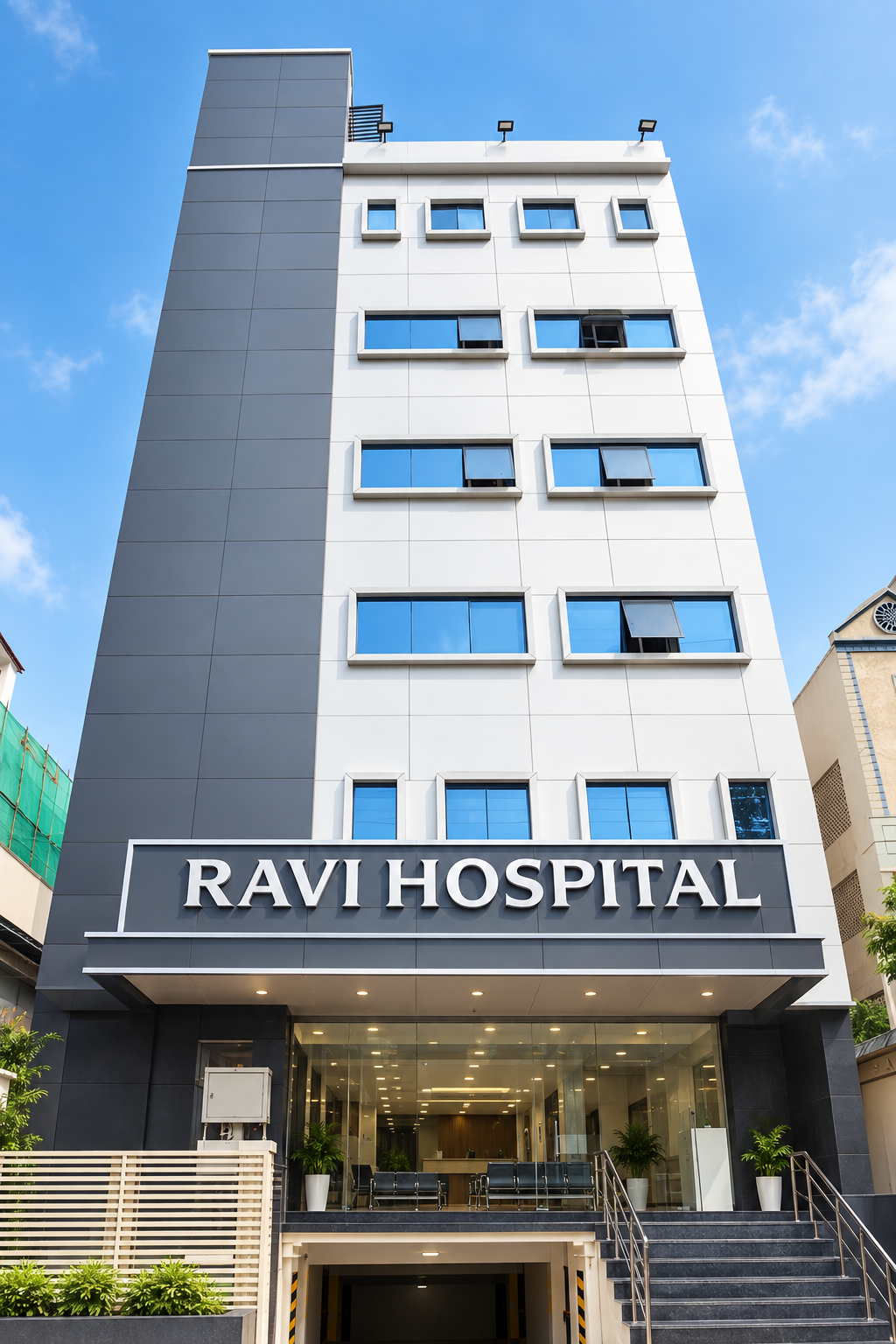
Why Choose Dr Ravi Hospital for Bone and Joint Care?
If you are looking for a bone specialist doctor in Hyderabad and also need heart or kidney checks before surgery, we do those tests and consultations under the same roof on KPHB Road No. 1, so surgery is not delayed by referrals elsewhere.
What We Offer Orthopedic Patients
For patients looking for a bone and joint specialist in Hyderabad, we offer:
- Plaster, fracture surgery, keyhole joint surgery and joint replacement in one hospital
- X-ray, CT and MRI scans in our own building
- Physiotherapy after injury and surgery
- A 24x7 pharmacy for pain medicines, braces and supports
- A KPHB Colony location near GHMC Park, close to Nizampet, Miyapur and Moosapet
FAQs
1. How long does a fracture take to heal?
Most fractures heal in about 6 to 12 weeks, though small bones such as fingers or toes may heal sooner and large bones such as the thigh bone can take longer. Age, smoking, general health and how well the bone is held in place all affect healing. Follow-up X-rays show when the bone has joined.
2. What causes heel pain, and how is it treated?
The most common cause of heel pain is plantar fasciitis, an irritation of the band of tissue under the foot. It usually improves with stretching exercises, supportive footwear, heel pads and pain relief. Injections are sometimes used when pain lasts several months.
3. How long is recovery after knee replacement?
Most people walk with support within a day or two of knee replacement and go home within a few days. Light daily activities often resume in about 6 weeks, with full recovery taking around 3 months or longer. Regular physiotherapy is the most important part of getting good movement back.
4. Can back pain be treated without surgery?
Yes. Most back pain improves within a few weeks by staying active, taking pain relief medicines, using heat and doing physiotherapy exercises. Surgery is usually considered only when a slipped disc or narrowing presses on nerves, causing leg weakness or pain that does not settle. Sudden loss of bladder or bowel control needs emergency care.
5. Is a bone specialist doctor in Hyderabad an orthopedic surgeon?
Yes. A bone specialist doctor in Hyderabad is usually an orthopedic surgeon, with an MS, DNB or D.Ortho qualification in orthopedics. Some also train further in areas such as joint replacement, spine or sports injuries.
6. How is frozen shoulder treated?
Frozen shoulder is treated with pain relief, gentle stretching and physiotherapy, and sometimes a steroid injection into the joint. It often improves slowly over one to three years, and treatment helps restore movement sooner.
7. When should older adults be checked for osteoporosis?
Women over 65, men over 70, and anyone who has broken a bone after a minor fall should ask about a bone density check. People who take steroids long term or have low vitamin D may need checks earlier. Calcium, vitamin D, exercise and medicines can lower the risk of fractures.
8. Does physiotherapy help after a fracture or surgery?
Yes. Physiotherapy helps restore strength, movement and balance after a fracture or orthopedic surgery, and lowers the chance of stiffness. It usually starts soon after surgery or once the bone is stable enough. We plan your physiotherapy alongside your orthopedic follow-up visits.