
Gynecologist and Obstetrician in KukatpallyDr Ravi Hospital
At Dr Ravi Hospital, you can consult a gynecologist and obstetrician in Kukatpally for period problems, PCOS, fibroids, pregnancy, delivery and menopause. If you are looking for a gynecologist in Hyderabad near KPHB Colony, we offer check-ups, pregnancy care and gynecology surgery, with ultrasound and lab tests done in our own building. Our emergency department and ICU are open 24x7, so we can see pregnancy and gynecology emergencies at any hour.
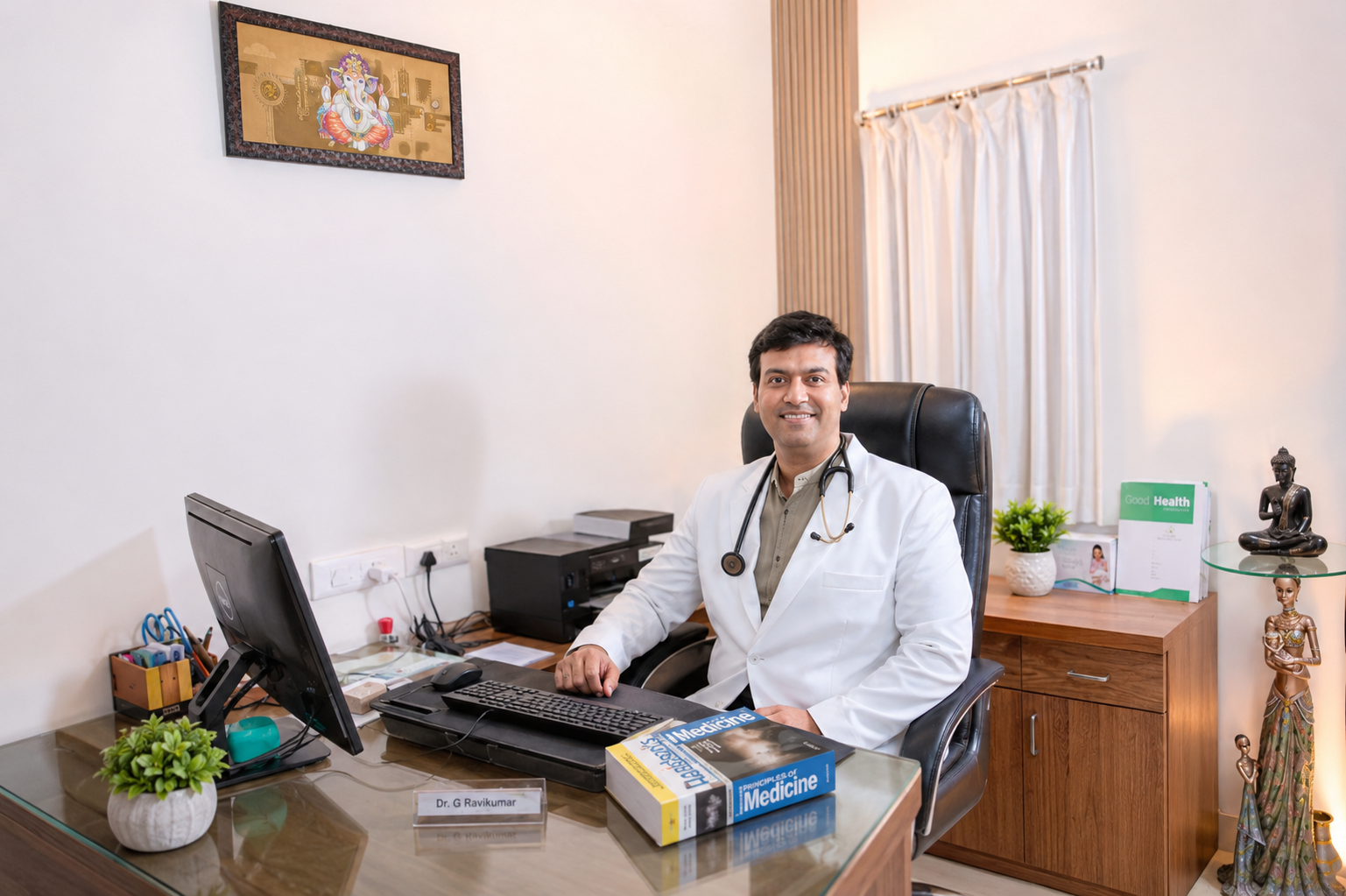
What Does a Gynecologist and Obstetrician Do?
A gynecologist and obstetrician is a doctor trained to treat conditions of the uterus, ovaries, cervix and vagina, and to care for women through pregnancy, childbirth and recovery after delivery.
Gynecologist or Obstetrician: Who Should You See?
An obstetrician handles pregnancy, delivery and the weeks after birth, while a gynecologist treats periods, infections, fertility, menopause and other reproductive health problems outside pregnancy. In India, most specialists are trained in both (MS, MD or DNB in Obstetrics and Gynaecology), so you can usually book one consultation with us for either need, and we will guide you from there.
Which Conditions Does a Gynecologist in Kukatpally Treat?
Common reasons women visit our hospital, from the teenage years to after menopause, include:
- Irregular, heavy or painful periods
- PCOS / PCOD
- Fibroids and ovarian cysts
- Endometriosis and ongoing pelvic pain
- Vaginal discharge, itching and infections
- Menopause symptoms such as hot flushes and poor sleep
- Uterine prolapse, and urine leakage after childbirth
- Contraception, including Copper-T and pills
- Cervical cancer screening (Pap smear)
Is a Gynecologist the Right PCOS Doctor?
Yes. A gynecologist is usually the first doctor for PCOS when the main concerns are irregular periods, acne, excess hair or difficulty getting pregnant. As a PCOS doctor in Kukatpally, the gynecologist checks hormone levels and does an ultrasound of the ovaries. When weight, sugar or insulin resistance is the bigger issue, this can also be managed in the same hospital.
How Often Should You Have a Pap Smear?
Cervical cancer screening is generally recommended from about age 30, ideally with an HPV test every 5 to 10 years. Where a Pap smear is used instead, it is usually repeated every three years. The gynecologist may suggest starting earlier or testing more often based on your history. A Pap smear takes a few minutes during a routine visit.
Which Gynecology Surgeries Are Done at Dr Ravi Hospital?
We plan gynecology surgery after an examination and ultrasound. Many operations can be done by keyhole (laparoscopic) surgery or through the vagina, without a cut on the tummy.
Fibroids
Surgery or procedureFibroid removal (myomectomy) or hysterectomy
Ovarian cysts
Surgery or procedureOvarian cyst removal (cystectomy)
Endometriosis
Surgery or procedureLaparoscopy to diagnose and treat
Heavy or abnormal bleeding, polyps
Surgery or procedureHysteroscopy, D&C
Uterine prolapse
Surgery or procedureProlapse repair, vaginal hysterectomy
Conditions needing removal of the uterus
Surgery or procedureHysterectomy (laparoscopic, vaginal or abdominal)
Ectopic pregnancy
Surgery or procedureEmergency laparoscopy
Family planning
Surgery or procedureTubectomy (tubal ligation)
Abnormal Pap smear
Surgery or procedureColposcopy and biopsy
Fertility checks
Surgery or procedureDiagnostic laparoscopy and hysteroscopy
Delivery
Surgery or procedureCaesarean section (C-section)
What Does a Laparoscopic Gynecologist in Hyderabad Offer?
A laparoscopic gynecologist in Hyderabad operates through a few small cuts using a camera, for surgeries such as ovarian cyst removal, fibroid removal, endometriosis treatment and hysterectomy. Keyhole surgery usually means less pain, a shorter hospital stay and a quicker return to routine than open surgery, though open surgery is still the safer choice for some women.
What Pregnancy Care Is Available at Dr Ravi Hospital?
We offer pregnancy care from the first check-up to recovery after delivery, including:
- Antenatal check-ups from the first trimester
- Pregnancy scans, including dating, NT, anomaly and growth scans
- Care for high-risk pregnancy, such as twins, high blood pressure, diabetes or thyroid problems
- Normal delivery and C-section
- Painless delivery with an epidural
- Newborn care, with NICU support
- Postnatal check-ups and breastfeeding support
Can Diabetes or Thyroid Problems Affect Pregnancy?
Yes. Diabetes in pregnancy, including gestational diabetes that starts during pregnancy, can raise the risk of a large baby, a difficult delivery and a C-section. Untreated thyroid problems can affect the baby's growth and development. Both are common and usually well controlled with regular checks. At our hospital, sugar and thyroid levels are monitored and managed throughout pregnancy.
When Should You See a Gynecologist in Hyderabad?
You do not need to wait for a problem to see a gynecologist in Hyderabad, but some symptoms need attention sooner than others. The signs below show when to go to emergency and when to book a consultation.
Which Pregnancy Symptoms Need Emergency Care?
Go to the emergency department immediately if you are pregnant and notice any of these signs:
- Heavy vaginal bleeding or passing clots
- Severe tummy pain, or one-sided pain in early pregnancy
- Fluid leaking from the vagina before 37 weeks
- The baby moving less than usual
- Severe headache, blurred vision or sudden swelling of the face and hands
- Fits, fainting or high fever
Book a Gynecology Consultation If You Notice
- Periods that are irregular, very heavy or very painful
- Bleeding between periods, after sex or after menopause
- Unusual discharge, itching or pelvic pain
- Trouble getting pregnant
- Hot flushes, mood changes or sleep problems around menopause
- Plans for a pregnancy (a pre-pregnancy check)
When Should You See a Doctor for Infertility?
See a doctor if you have not become pregnant after 12 months of regular unprotected sex, or after 6 months if you are 35 or older. See a doctor sooner if periods are irregular or absent, or if there is a known problem such as PCOS or endometriosis. An infertility specialist gynecologist in Hyderabad checks both partners, and our fertility care includes:
- 1Ovulation tracking with ultrasound (follicular study)
- 2Hormone tests and semen analysis
- 3HSG to check the fallopian tubes
- 4IUI (intrauterine insemination)
- 5IVF
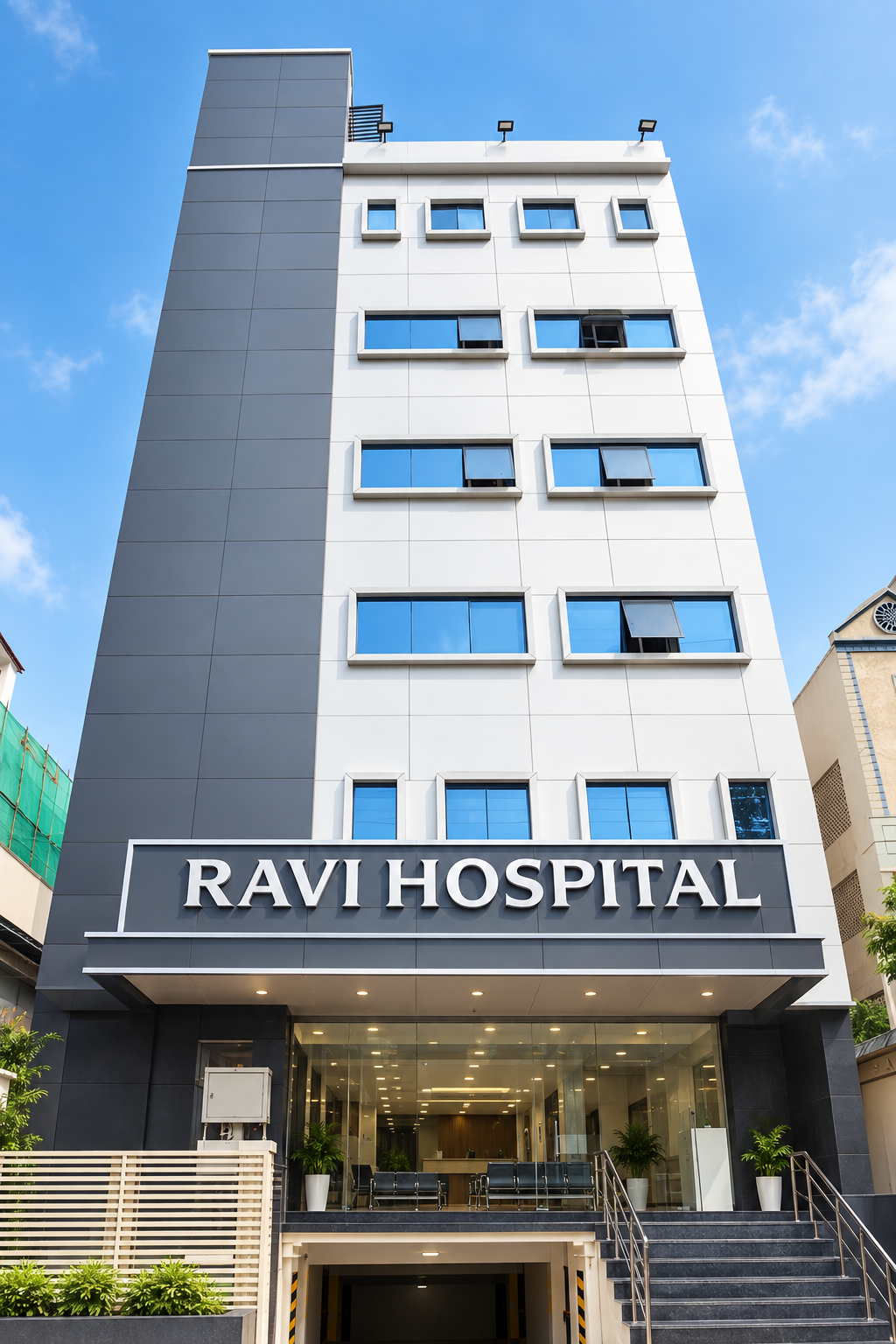
Why Choose Dr Ravi Hospital for Women's Health?
At our hospital, the same gynecologist can follow your pregnancy from the first check-up through delivery and the weeks after birth. Pregnancy scans and blood tests are done in the same building, so your results are discussed at the same visit rather than at a later appointment. Our 24x7 pharmacy stocks medicines and pregnancy supplements, and we are located on Road No. 1, KPHB Colony, near GHMC Park, close to Nizampet, Miyapur and Moosapet.
Looking for a Lady Gynecologist in Hyderabad?
We have an in-house lady gynecologist in Hyderabad, Dr Rajini Naggari (MBBS, MS, Reg. No. 0608092), who sees women for pregnancy care, gynecology problems and surgery. Many women feel more comfortable with a female doctor, especially for pregnancy check-ups and internal examinations. If you are looking for a lady doctor in Kukatpally for pregnancy care, you can book directly with her. Consultations are private, and you can bring a family member with you.
FAQs
1. What is the difference between PCOS and PCOD?
The terms PCOS (polycystic ovary syndrome) and PCOD are often used to mean the same thing. PCOS is the medical term for a hormone condition that causes irregular ovulation, acne or excess hair, and sometimes many small follicles on the ovaries. "PCOD" is a common Indian term, often used for milder cases. Treatment depends on symptoms, not the name.
2. When should a girl have her first gynecologist visit?
Many doctors suggest a first gynecologist visit between ages 13 and 15. It is usually a conversation about periods and health, with no internal examination. A visit is needed sooner if periods are very painful or heavy, or have not started by age 15. A parent can join the consultation.
3. How soon after a positive pregnancy test should I see a doctor?
Most women have their first pregnancy visit around 6 to 8 weeks after the first day of their last period. See a doctor sooner if you have pain or bleeding, have had an ectopic pregnancy before, or take medicines for diabetes, thyroid or epilepsy, which may need adjusting.
4. Can I have a normal delivery after a C-section?
Many women can try a normal delivery after one C-section, known as VBAC. Whether it is suitable depends on why the earlier C-section was done, the type of scar, and how the current pregnancy is progressing. The obstetrician reviews your records and discusses the benefits and risks with you before your due date.
5. Is painless delivery safe for the baby?
Painless delivery, usually with an epidural, is widely used and considered safe for most mothers and babies. Only a very small amount of the medicine reaches the baby. The mother may have side effects such as low blood pressure or a headache, which are closely monitored. The anaesthetist explains whether it suits you.
6. How often should I see an obstetrician and gynecologist in Hyderabad?
Outside pregnancy, most women see an obstetrician and gynecologist in Hyderabad once a year for a check-up and screening. During pregnancy, at least eight check-ups are generally recommended, with visits becoming more frequent in the third trimester. We may advise more visits for a high-risk pregnancy.
7. How long is recovery after laparoscopic hysterectomy?
Most women return to light activities about 2 to 4 weeks after laparoscopic hysterectomy, compared with about 6 to 8 weeks after open (abdominal) surgery. Heavy lifting and sex are usually avoided for about 6 weeks. The gynecologist advises you based on your surgery and how you heal.
8. Can PCOS affect my chances of getting pregnant?
PCOS can make ovulation irregular, which may make it harder to get pregnant, but many women with PCOS do conceive. Weight loss, where needed, and medicines that help ovulation often improve the chances. Women with PCOS also have a higher risk of gestational diabetes, so sugar is checked during pregnancy.